Africa’s strongest currencies in 2025 as Ghana Cedi leads FX recovery
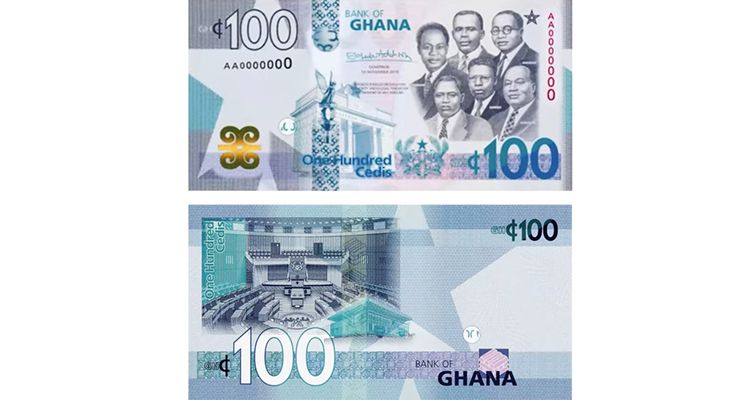
Africa’s foreign exchange market in 2025 delivered pockets of strong recovery rather than a continent-wide rebound, with Ghana’s cedi emerging as the best-performing currency against the US dollar amid tighter policies, export inflows and improving investor sentiment.
By Sarah Johnson • 1/11/2026
Africa’s currency landscape in 2025 was defined less by a continent-wide turnaround and more by pockets of resilience. While the US dollar remained firm globally, a small group of African currencies delivered standout performances, led by Ghana’s cedi, which posted the strongest appreciation against the greenback.
The rebound marked a sharp contrast to the volatility that dominated African FX markets in recent years, when rising inflation, debt pressures and falling reserves forced multiple devaluations. In 2025, however, disciplined macroeconomic policies and a revival in export earnings allowed a few economies to stabilise their currencies and, in some cases, generate meaningful gains.
Ghana’s cedi takes the lead
Ghana’s cedi emerged as Africa’s strongest currency in 2025, reflecting a combination of fiscal consolidation, tighter monetary policy and improved investor confidence. The central bank’s efforts to rein in inflation, alongside higher cocoa and gold receipts, helped replenish foreign exchange reserves and reduce pressure on the currency.
This recovery was particularly notable given Ghana’s turbulent FX history over the last decade. The cedi’s turnaround signalled that markets were beginning to reward policy credibility and clearer debt management following earlier restructuring efforts.
Zambia and Congo follow closely
Zambia’s kwacha ranked close behind, supported by rising copper exports and more predictable FX management. As global demand for industrial metals improved, the kwacha benefited from stronger dollar inflows, reinforcing its position as one of Africa’s more resilient currencies.
The Congolese franc also featured among the top performers. With the Democratic Republic of Congo playing a growing role in the global battery and electric vehicle supply chain, exports of cobalt and copper boosted foreign currency earnings and stabilised the franc.
These commodity-linked currencies highlighted a recurring theme in Africa’s FX markets: countries able to translate global demand into export revenues tended to outperform.
Stability over strength in much of Africa
Beyond the top performers, most African currencies recorded only moderate appreciation or flat trading against the dollar. This reflected a broader pattern of stabilisation rather than a full-blown recovery.
For smaller economies such as São Tomé and Príncipe, whose dobra is pegged to the euro, gains were largely mechanical. The peg delivered low volatility and predictable FX movements, but it also meant that any appreciation was driven more by euro-dollar dynamics than by domestic reforms or export growth.
The dobra’s monthly pattern reflected this stability, with its strongest gains occurring in March and June, while mild pullbacks appeared in July and October. Overall, the currency’s performance was steady, but not a sign of deep FX market strength.
Where Nigeria stands
Nigeria’s naira posted a modest 6.91 percent appreciation in 2025, placing it 22nd among African currencies. While the gain marked an improvement from the sharp depreciation of previous years, it also underlined how fragile Africa’s largest economy’s FX recovery remains.
Despite policy changes aimed at unifying exchange rates and improving dollar liquidity, Nigeria’s currency continues to face pressure from import demand, fuel costs and external debt obligations. The naira’s ranking suggests that while the worst of the crisis may have passed, the path to full stability is still unfolding.
What the rankings reveal
The FX performance table for 2025 shows a clear divide across the continent. Commodity-rich economies and those pursuing disciplined macroeconomic policies recorded the strongest gains. Countries with weak export bases or unresolved fiscal imbalances, meanwhile, saw only limited relief.
Global dollar trends also played a major role. With US interest rates remaining elevated, capital continued to favour dollar-denominated assets, limiting how far most African currencies could strengthen.
Still, the standout performances of the cedi, kwacha and Congolese franc demonstrate that even in a challenging global environment, targeted reforms and export growth can deliver meaningful FX recovery.
Looking ahead
Africa’s foreign exchange outlook remains mixed going into 2026. While some economies have regained a degree of stability, many are still vulnerable to external shocks, volatile commodity prices and shifts in global capital flows.
What 2025 has shown is that currency strength in Africa is no longer purely a function of luck or global conditions. It is increasingly tied to policy credibility, export competitiveness and the ability to attract hard-currency inflows. Ghana’s cedi, in particular, stands as the clearest example of how decisive reforms can reshape market sentiment and restore confidence.