South Africa’s stock market reaches highest valuation since 2019
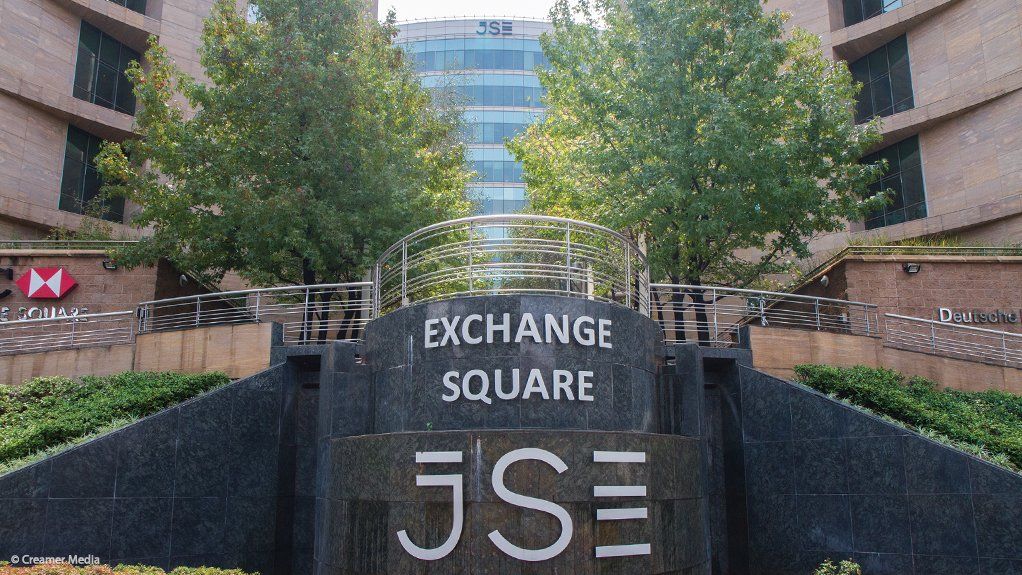
A rally in mining stocks, rising gold prices, and a resurgent rand have lifted South Africa’s equity market to its highest valuation since 2019, with the JSE delivering its strongest annual performance in two decades.
By Sarah Johnson • 1/7/2026
South Africa’s equity market has climbed to its highest level in more than five years, as a combination of a stronger currency and surging metal prices fuels renewed investor confidence.
The total market value of shares listed on the FTSE/JSE Africa All Share Index surpassed $500 billion this week, marking its strongest valuation since 2019. The milestone places South Africa’s stock market ahead of several larger peers, including Norway, Malaysia, and Turkey, when compared on a year-on-year basis.
Mining rally and currency strength drive gains
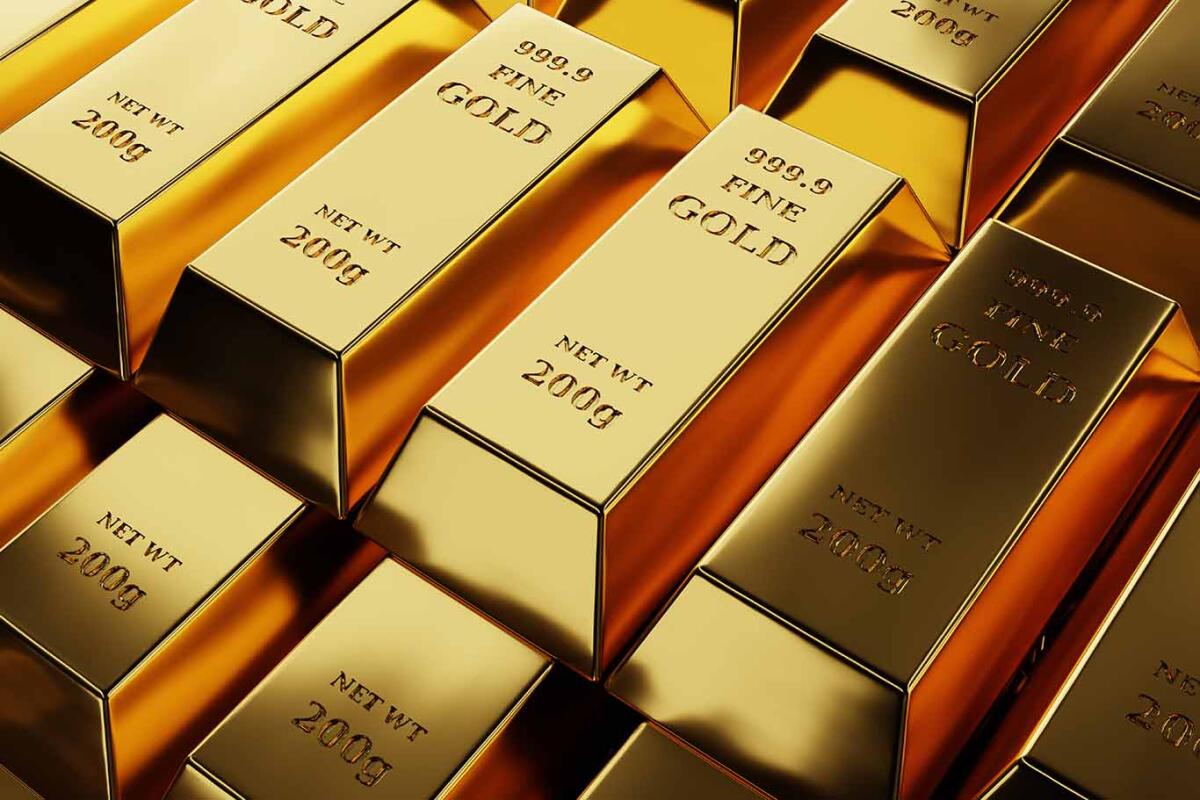
The rally has been powered largely by South Africa’s heavyweight mining and precious metals sector. Gold and other metal prices have risen sharply, lifting the earnings outlook for producers listed on the Johannesburg Stock Exchange.
In 2025, the JSE delivered a 38% annual gain, its strongest performance since 2005. Mining companies and precious-metal producers accounted for a significant share of that advance, benefiting from higher global commodity prices and renewed demand for safe-haven assets.
Currency movements amplified the gains. The rand strengthened about 14% against the U.S. dollar in 2025, pushing the JSE’s total return to roughly 57% in dollar terms. The momentum has carried into the early weeks of 2026, with the benchmark index already up more than 2%, supported by continued currency resilience and firm gold prices.
On Tuesday, the rand traded at R16.31 per dollar, its strongest level in over three years, reinforcing foreign investor appetite for South African assets.
Regional Market Outperformance
South Africa’s market resurgence stands out among emerging and developed peers. With market capitalisation now above $500 billion, the JSE has eclipsed the equity markets of several resource-rich and industrial economies over the same period.
Analysts point to a rare alignment of supportive factors: commodity strength, improved currency stability, and relatively attractive equity valuations following years of underperformance.
Confidence extends beyond Equities
The strengthening rand and rising investor confidence are also influencing policy planning. The South African Reserve Bank is preparing a major overhaul of the country’s cash management system, aimed at reducing costs and modernising access.
Proposed reforms include the creation of a new cash-management utility, upgrades to ATM infrastructure, and tighter controls on cash circulation. The central bank estimates that cash usage could decline by 30% to 40% if South Africa reaches digital payment adoption levels seen in countries such as India, Brazil, and parts of the European Union.
Outlook: Momentum meets structural challenges
While the equity rally reflects improved sentiment, economists caution that sustaining these gains will depend on broader structural progress, including energy reliability, fiscal discipline, and economic growth.
For now, rising metal prices, a resilient currency, and renewed global interest in emerging markets have pushed South Africa’s stock market back into the spotlight — reaching valuation levels not seen since before the pandemic-era downturn.
Tags:
South Africa stocksJSEJohannesburg Stock Exchangeemerging marketsrand