Trump nominates Kevin Warsh as Federal Reserve Chair
US President Donald Trump has nominated former Federal Reserve governor Kevin Warsh to succeed Jerome Powell as Fed chair, a decision closely watched by investors as markets weigh future interest rate policy, political pressure, and the independence of the central bank.
By Sarah Johnson • 1/30/2026
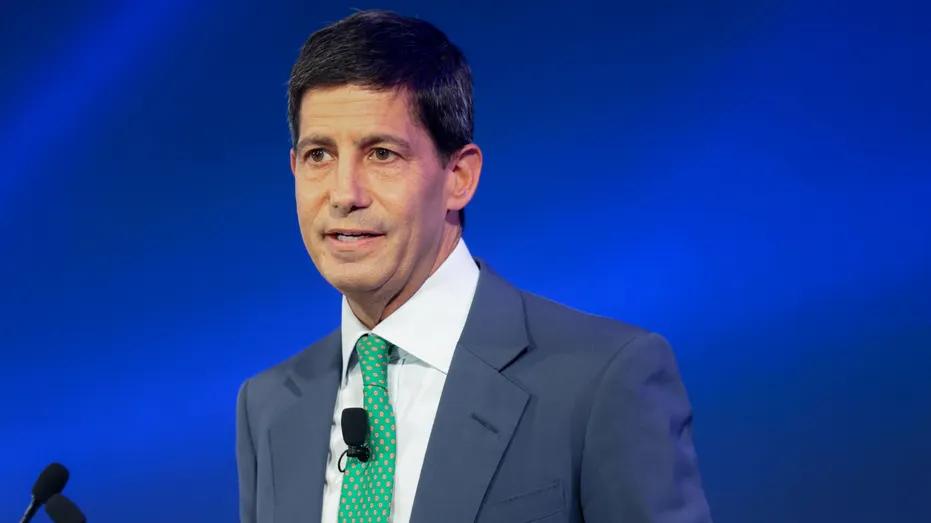
US President Donald Trump has officially nominated Kevin Warsh to serve as the next chair of the Federal Reserve, positioning the former central bank governor and Wall Street executive at the centre of a high-stakes transition for US monetary policy.
Trump announced the decision on Friday via Truth Social, praising Warsh’s experience and leadership credentials. The nomination comes ahead of Jerome Powell’s scheduled departure in May, ending a tenure that has been marked by elevated inflation, aggressive rate hikes, and repeated clashes with the White House.
If confirmed by the Senate, Warsh would inherit leadership of the world’s most influential central bank at a time when markets are finely balanced between easing inflation pressures and slowing economic momentum.
A familiar figure to Wall Street and Washington
Warsh, a former Morgan Stanley executive, served as a Federal Reserve governor after being appointed by President George W. Bush. He later worked as an economic adviser to the Bush administration, giving him deep exposure to both financial markets and policy-making circles.
Trump had previously considered Warsh for the Fed’s top job during his first term before ultimately selecting Powell. In recent months, Warsh has echoed Trump’s criticism of the Fed’s handling of inflation, arguing that earlier policy missteps continue to shape decision-making inside the central bank.
In a July interview with CNBC, Warsh said the Fed’s delayed response to inflation had left a lasting imprint on its policy approach, reinforcing the need for what he described as a change in monetary strategy.
Political resistance clouds confirmation
Despite Warsh’s credentials, his path to confirmation may face resistance in Congress. Lawmakers have raised concerns following a Department of Justice inquiry involving the Federal Reserve, disclosed by Powell in January after the Fed received grand jury subpoenas.
Powell described the probe as part of broader pressure being applied to the central bank, triggering alarm among economists, business leaders, and lawmakers concerned about institutional independence.
North Carolina Senator Thom Tillis, a Republican, said he would oppose all Federal Reserve chair nominations from the Trump administration until the DOJ inquiry is fully resolved. While describing Warsh as a qualified nominee with a strong grasp of monetary policy, Tillis reiterated that his position remains unchanged.
The resistance underscores the political sensitivity surrounding the Fed’s leadership at a time when interest rate decisions carry significant implications for inflation, borrowing costs, and financial stability.
Markets react cautiously
Financial markets reacted calmly to the announcement, reflecting expectations that Warsh was the frontrunner for the role. US equities opened slightly lower, with the Dow Jones Industrial Average, S&P 500, and Nasdaq Composite each dipping between 0.1 percent and 0.3 percent.
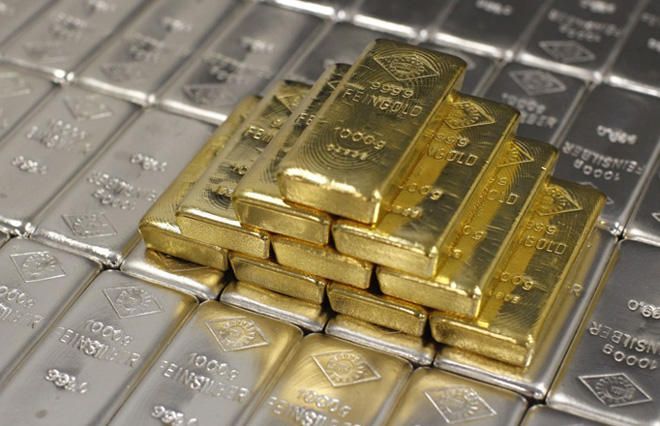
While stocks showed limited movement, commodity and currency markets reacted more decisively. Gold prices fell 4.4 percent to around $5,117 per ounce, while silver dropped more than 13 percent to just below $100. The pullback reflected reduced demand for safe-haven assets as investors reassessed political and monetary risk.
The US dollar strengthened following the announcement, with the dollar index rising nearly 0.5 percent. Treasury yields edged higher, with the benchmark 10-year yield climbing to about 4.24 percent.
Pressure on the Fed to cut rates
Trump has repeatedly urged the Federal Reserve to lower interest rates, frequently criticising Powell’s leadership and, at times, threatening to remove him before the end of his term. The Federal Open Market Committee delivered three quarter-point rate cuts toward the end of last year, although the December meeting revealed deep divisions among policymakers.
Reports suggest Trump expects closer consultation between the White House and the Fed under the next chair, a stance that has raised concerns among investors about preserving the central bank’s independence.
Warsh would assume leadership of a divided Federal Reserve, balancing political pressure with the institution’s mandate to manage inflation and support employment.
Powell’s exit and alternative contenders
Powell has said his priority is to leave the US economy in a strong position, with inflation under control and the labour market resilient. He emphasised that his focus remains on ensuring stability ahead of the leadership transition.
Other names previously linked to the role included Trump’s economic adviser Kevin Hassett, Federal Reserve governors Christopher Waller and Michelle Bowman, and BlackRock’s global fixed income chief investment officer Rick Rieder.
Trump later confirmed that Hassett had been a leading contender but was ultimately retained at the White House due to his current advisory role.
What Warsh’s nomination means for investors
For markets, Warsh’s nomination signals the potential for a shift in tone at the Federal Reserve, particularly around inflation tolerance and interest rate strategy. While his policy stance remains under scrutiny, investors are closely watching how the confirmation process unfolds and whether political tensions could spill into monetary decision-making.
As the nomination moves to Capitol Hill, the debate over Fed independence, inflation control, and executive influence is set to intensify, with significant implications for global financial markets.
Tags:
Kevin WarshFFederal Reserve chairJerome PowellTrump Fed nominationUS monetary policy,