Gold and Silver slide as Trump’s Fed pick calms markets, Stocks recover
Gold and silver prices plunged after US President Donald Trump nominated former Federal Reserve official Kevin Warsh to succeed Jerome Powell, easing investor fears over central bank independence. The move triggered a rotation out of safe-haven assets into equities, reshaping global market sentiment.
By Sarah Johnson • 1/30/2026
Gold and silver prices fell sharply on Friday as global markets responded to US President Donald Trump’s nomination of Kevin Warsh as the next chair of the Federal Reserve, a move that reassured investors wary of political interference in monetary policy.
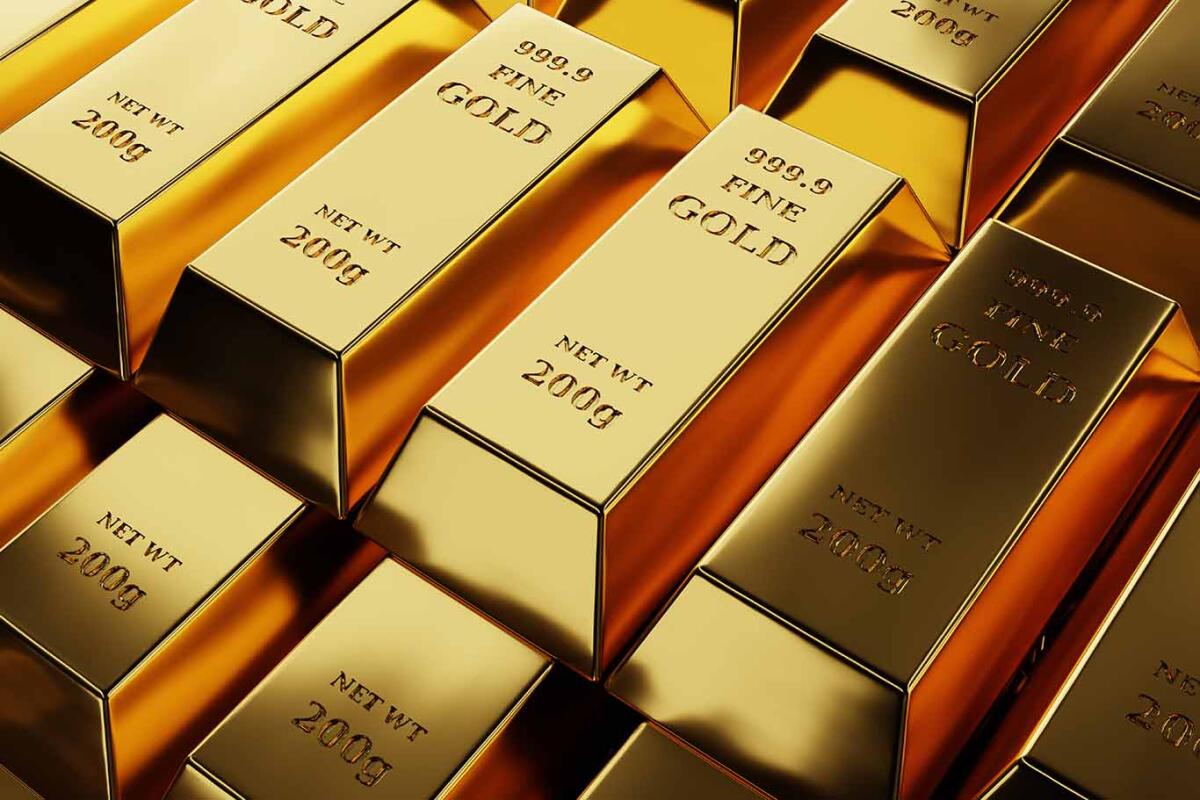
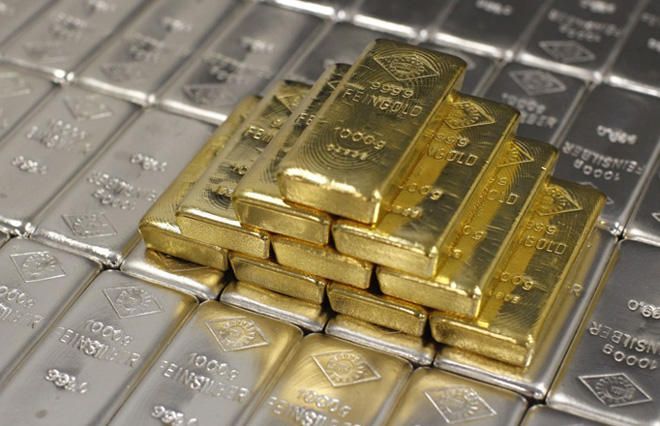
Precious metals, typically viewed as safe-haven assets during periods of uncertainty, retreated after days of strong gains. Gold slid nearly seven percent to around $5,072 an ounce, pulling back from a record high of $5,595.47 reached a day earlier. Silver recorded an even steeper decline, shedding about 15 percent to trade near $101 an ounce after touching an all-time high above $120.
The sell-off followed reports, later confirmed by Trump on Truth Social, that Warsh, a former Federal Reserve governor, would replace Jerome Powell when his term ends in May. Trump praised Warsh as a steady hand, signalling a potential reset in relations between the White House and the US central bank.
Market analysts interpreted the nomination as a positive signal for Federal Reserve independence, a key concern that had driven volatility in recent weeks. Trump’s public criticism of Powell had raised fears that monetary policy could be politicised, potentially stoking inflation and weakening confidence in the dollar.
According to Kathleen Brooks, research director at XTB, Warsh’s appointment may offer markets “some hope that Fed independence will be preserved,” helping to stabilise investor expectations around interest rates and inflation control.
Safe-haven retreat, equities rebound
As confidence returned, capital rotated out of defensive assets and into equities. European stock markets closed higher, with Germany’s DAX rising one percent and France’s CAC 40 gaining 0.8 percent. London’s FTSE 100 advanced 0.5 percent.
On Wall Street, US equities opened slightly lower but showed signs of stabilisation after a volatile week. The Dow Jones Industrial Average dipped 0.3 percent, while the S&P 500 and Nasdaq Composite both edged down 0.2 percent in early trading.
Asian markets ended the week on a weaker note, weighed down by renewed concerns over technology sector valuations and the rising cost of artificial intelligence investments. Hong Kong’s Hang Seng Index fell 2.1 percent, while China’s Shanghai Composite declined one percent. Tokyo’s Nikkei 225 closed marginally lower.
Tech sector under pressure
Technology stocks remained under scrutiny as investors reassessed whether soaring valuations can be justified amid heavy capital spending on AI infrastructure. Shares in Apple slipped 1.4 percent, while Meta Platforms fell two percent after concerns that higher chip costs and extended investment timelines could weigh on margins.
Earlier optimism driven by strong earnings from Meta, Samsung and SK Hynix faded after Microsoft announced a sharp increase in AI-related spending, reviving fears that returns on these investments may take longer to materialise.
Market strategists warn that equity markets, which have surged to record highs in recent years, could be vulnerable if earnings growth fails to keep pace with valuations.
Oil steadies amid geopolitical risks
Oil prices regained some ground after an early dip, following a sharp rally the previous day driven by rising geopolitical tensions. Brent crude rose 0.2 percent to $70.83 per barrel, while US West Texas Intermediate added 0.3 percent to $65.64.
Concerns intensified after Trump escalated rhetoric toward Iran, raising the risk of military confrontation in the Middle East. However, economists caution that ample global supply could cap long-term price gains.
Megan Fisher, assistant economist at Capital Economics, noted that while tensions have pushed Brent to a six-month high, historical precedent and a well-supplied oil market are likely to weigh on prices by the end of 2026.
Currency markets reflect shifting sentiment
In foreign exchange markets, the dollar strengthened modestly as investor confidence improved. The euro slipped to $1.1916, while the pound eased to $1.3753. The dollar gained against the yen, rising to 154.39, reflecting reduced demand for traditional safe-haven currencies.
Markets recalibrate
The sharp reversal in precious metals highlights how quickly sentiment can shift when political risk appears to ease. With Warsh’s nomination calming fears around the Federal Reserve’s independence, investors are reassessing portfolio positioning across commodities, equities and currencies.
While volatility remains elevated amid geopolitical tensions, tariff threats and fiscal uncertainty in the US, markets appear to be recalibrating toward risk assets, at least in the near term.
Tags:
goldsilverFederal ReserveKevin WarshTrump Fed pick