Nigeria to receive $9.5million from UK-linked asset recovery deal
The United Kingdom and Nigeria have signed a new agreement to return $9.5 million in recovered corruption proceeds, with the funds earmarked for critical road infrastructure including the Abuja–Kano Highway.
By Sarah Johnson • 1/9/2026
Nigeria is set to receive more than $9.5 million from the United Kingdom following a new asset recovery agreement that reinforces years of cooperation between both countries in tracing and returning funds linked to corruption.
The agreement, signed in December 2025, provides a legal framework for returning money confiscated in Jersey, a UK Crown Dependency, after a court ruled that the funds were connected to corrupt dealings involving senior Nigerian officials.
The British High Commission in Abuja confirmed that the Memorandum of Understanding was signed by Mark Temple, Jersey’s Attorney General, and representatives of the Nigerian government, clearing the way for the funds to be transferred for public infrastructure use.
Part of a larger $300million Recovery Effort
The $9.5 million recovery adds to more than $300 million previously returned to Nigeria under earlier agreements between Jersey and Nigerian authorities. Those earlier funds were channelled into major infrastructure projects, including the Lagos–Ibadan Expressway and the Second Niger Bridge, under internationally monitored arrangements designed to ensure transparency.
UK officials said the latest agreement reflects a long-term strategy to prevent foreign jurisdictions from becoming safe havens for illicit wealth, while helping Nigeria redirect recovered money into projects that support economic development.
Where the new funds will go
Under the terms of the new deal, the $9.5 million will support three national road projects:
- Lagos–Ibadan Expressway
- Second Niger Bridge
- Abuja–Kano Highway
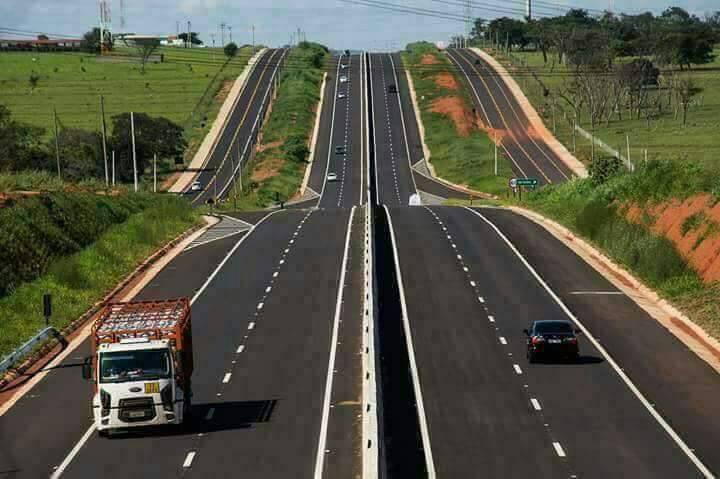
With the Lagos–Ibadan Expressway and the Second Niger Bridge already completed, most of the recovered funds are expected to be applied to the Abuja–Kano Highway, a 375-kilometre transport corridor linking Nigeria’s capital to its second-largest city. The highway is a key trade and logistics route for northern Nigeria and one of the country’s most important transport arteries.
How the money was recovered
The forfeiture process began on November 29, 2023, when Jersey’s Attorney General applied to the Royal Court of Jersey under the Forfeiture of Assets (Civil Proceedings) (Jersey) Law 2018.
On January 12, 2024, the court ruled that the funds were proceeds of corruption, finding that third-party contractors had diverted government money for the benefit of senior Nigerian officials. The ruling allowed the funds to be legally confiscated and prepared for repatriation.
Mark Temple said the case demonstrated the strength of Jersey’s civil forfeiture system and how international legal cooperation can be used to track and return illicit funds.
Nigeria and the UK deepen anti-corruption ties
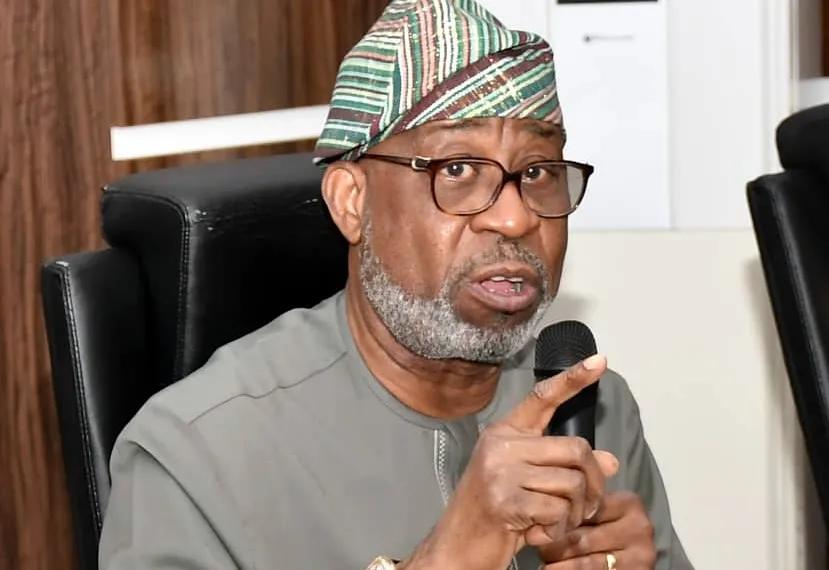
Nigeria’s Attorney General and Minister of Justice, Lateef Fagbemi, SAN, described the agreement as a sign that international cooperation is essential to preventing corruption proceeds from being hidden abroad.
He said the deal reinforces the message that overseas financial centres should not provide shelter for illicit wealth, while assuring Jersey and UK authorities that Nigeria would use the repatriated funds strictly in line with the agreement.
Asset recovery has become a central part of Nigeria’s wider push to strengthen governance, rebuild public trust, and redirect stolen public funds into projects that support economic growth and social development.
As Nigeria continues to face infrastructure and financing challenges, the return of funds once lost to corruption is playing an increasingly visible role in funding roads, bridges and transport networks that are critical to long-term economic performance.
Tags:
NigeriaUKJerseyasset recoveryAbuja–Kano Highway